Archives
- 2026-10
- 2026-09
- 2026-08
- 2026-07
- 2026-06
- 2026-05
- 2026-04
- 2026-03
- 2026-02
- 2026-01
- 2025-12
- 2025-11
- 2025-10
- 2025-09
- 2025-03
- 2025-02
- 2025-01
- 2024-12
- 2024-11
- 2024-10
- 2024-09
- 2024-08
- 2024-07
- 2024-06
- 2024-05
- 2024-04
- 2024-03
- 2024-02
- 2024-01
- 2023-12
- 2023-11
- 2023-10
- 2023-09
- 2023-08
- 2023-07
- 2023-06
- 2023-05
- 2023-04
- 2023-03
- 2023-02
- 2023-01
- 2022-12
- 2022-11
- 2022-10
- 2022-09
- 2022-08
- 2022-07
- 2022-06
- 2022-05
- 2022-04
- 2022-03
- 2022-02
- 2022-01
-
Based on the role of NMDA receptors in initiation and
2022-05-06
Based on the role of NMDA receptors in initiation and propagation of epileptic seizures and on potentiation of NMDA function by glycine, it has been hypothesized that glycine will have proconvulsant activity (Foster and Kemp, 1989). Indeed, there is some evidence that human epileptogenic foci, remov
-
Our exploration of Domain focused on the
2022-05-06
Our exploration of Domain 1 focused on the role of the carbonyl linker in (). We found that replacement of this group by a methylene unit as in or direct attachment of the thiophene ring to the central aromatic core as in did not significantly impact potency. The thiophene ring in could be replaced
-
In our study we evaluated adenovirus type Ad as
2022-05-06
In our study we evaluated adenovirus type 5 (Ad5) as a vehicle for delivering Cre recombinase in conditional transgenic mouse based on the Cre-loxP system, in order to achieve GlyT1 gene modulation in a specific thalamic region in the adult animal. GlyT1 is a sodium- and chloride-coupled glycine tra
-
The neuronal glycine receptor HSOR
2022-05-06
The neuronal glycine receptor/3α-HSOR/allopregnanolone pathway may also be extended to the central nervous effects of gelsemine and koumine in brain. 3α-HSOR is expressed in certain brain regions in rats and humans, such as the limbic system including hypothalamus, hippocampus and amygdala, in addit
-
To help resolve the question
2022-05-05
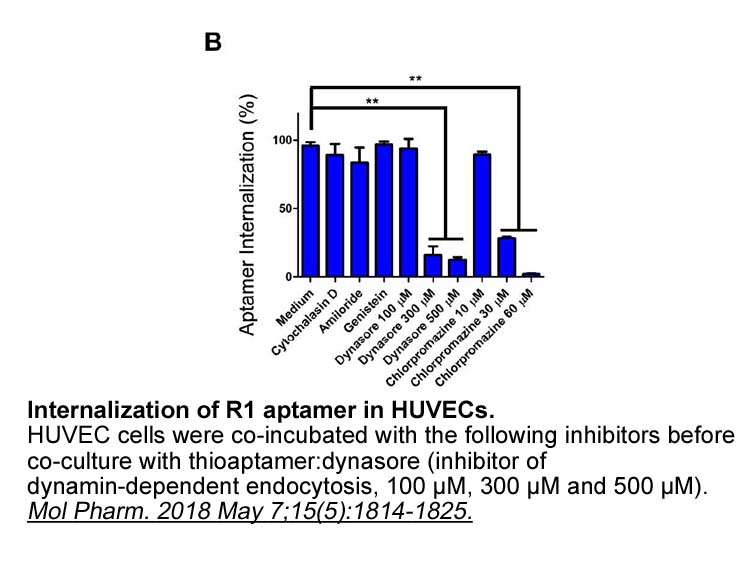
To help resolve the question of simple binding versus transport, we reasoned that if quercetin is transported by GLUT1, we should be able to block its uptake by other GLUT1 inhibitors. We initially investigated the effects of two newly identified GLUT1 inhibitors, BAY-876 and WZB-117. WZB-117 was fi
-
Transmembrane AMPA receptor regulatory proteins TARPs are a
2022-05-05
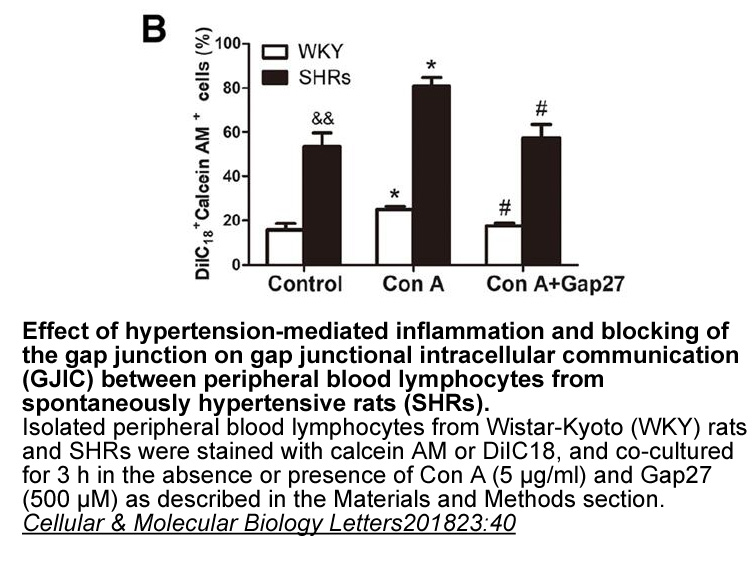
Transmembrane AMPA receptor regulatory proteins (TARPs) are a relatively newly discovered protein family. Prototypic TARP, stargazin, was found by a spontaneous mutation in ataxic stargazer mouse line as a homologous protein to γ1 calcium channel subunit (Letts et al., 1998). The role of stargazin i
-
br Experimental section br Introduction Fasting
2022-05-05

Experimental section Introduction Fasting hyperglycaemia in all forms of diabetes mellitus occurs primarily as a result of upsurge in hepatic glucose synthesis (HGS) [1], [2]. Two specific enzymes, glucokinase (GK) and glucose-6 phosphatase (Glu-6-Pase) play crucial role in hepatic glucose pro
-
Glucagon was described as an
2022-05-05
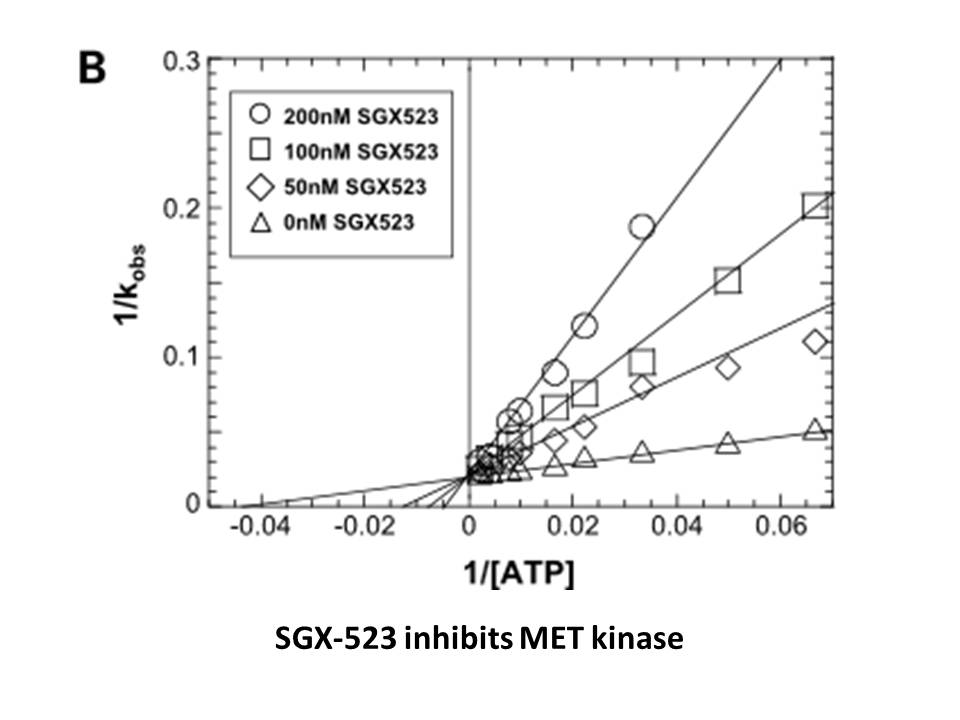
Glucagon was described as an insulin secretagogue as early as 1965 (Samols et al., 1965). Our studies extend these findings by demonstrating that this is a direct effect mediated by distinct receptors in the mouse pancreas. Previous experiments on isolated β toll like receptors clearly show that glu
-
Preliminary explorations focused on the linker of Table Lill
2022-05-05
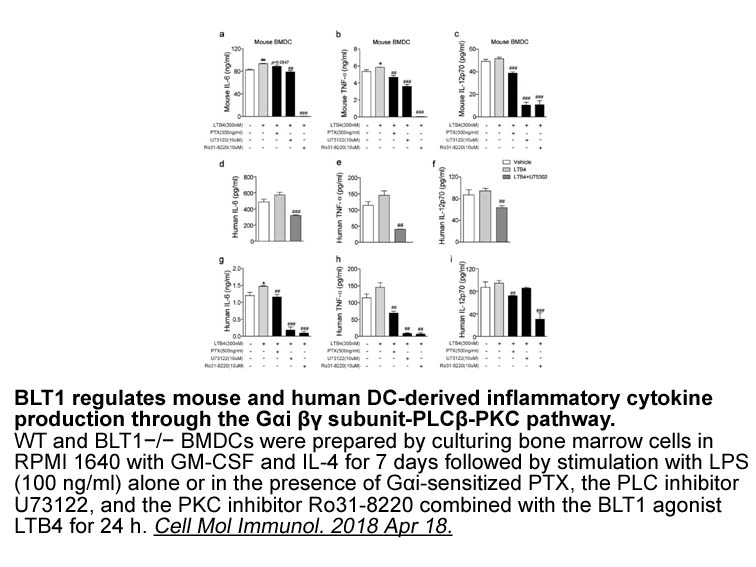
Preliminary explorations focused on the linker of 2 (Table 1). Lilly reported that the methylene between the phenyl and the piperidyl group was metabolically susceptible to N-dealkylation, so we replaced the methylene with a carbonyl moiety to block the metabolic site [23,48] (Fig. 2). In addition,
-
br Introduction Before planning population based
2022-05-05
Introduction Before planning population-based genetic analysis or GWAS, it is important to annotate the sequence of the gene because these sequences represent the major sites such as promoter and transcription factor Fmoc-Cl which may ultimately affect the expression of the gene. Similarly, a si
-
br Conclusion Our data allow pharmacological discrimination
2022-05-05
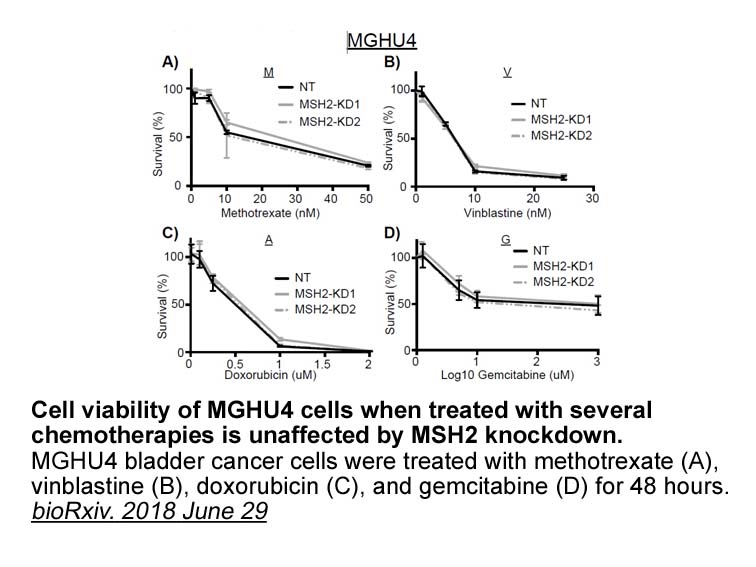
Conclusion Our data allow pharmacological discrimination of diverse of H3 Afuresertib antagonists that can be linked to their differential efficacy in preclinical and clinical disease settings (Fig. 6). Moreover, we identify the sigma-1 receptor as a common “off target” for H3 antagonists, and th
-
Theoretically the majority of resistance mechanisms identifi
2022-05-04
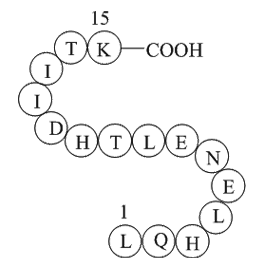
Theoretically, the majority of resistance mechanisms identified so far could be targeted by compounds that are already available, such as inhibitors of ER, PIK3CA/mTOR or FGFR1. However, the potential therapeutic advantage of combining these agents with standard HER2-targeting treatments must be we
-
animal br cAMP cGMP effector systems in human platelets PKA
2022-05-04

cAMP/cGMP effector systems in human platelets (PKA, PKG, PDEs) In eukaryotic cells, the effects of intracellular cAMP are mediated by two types of cAMP-dependent protein kinases (PKA type I and II) and cAMP-regulated guanine nucleotide exchange factors (EPAC/cAMP-GEF) which activate the RAS GTPa
-
The crystal structures of plant class ADH GSNOR
2022-05-04
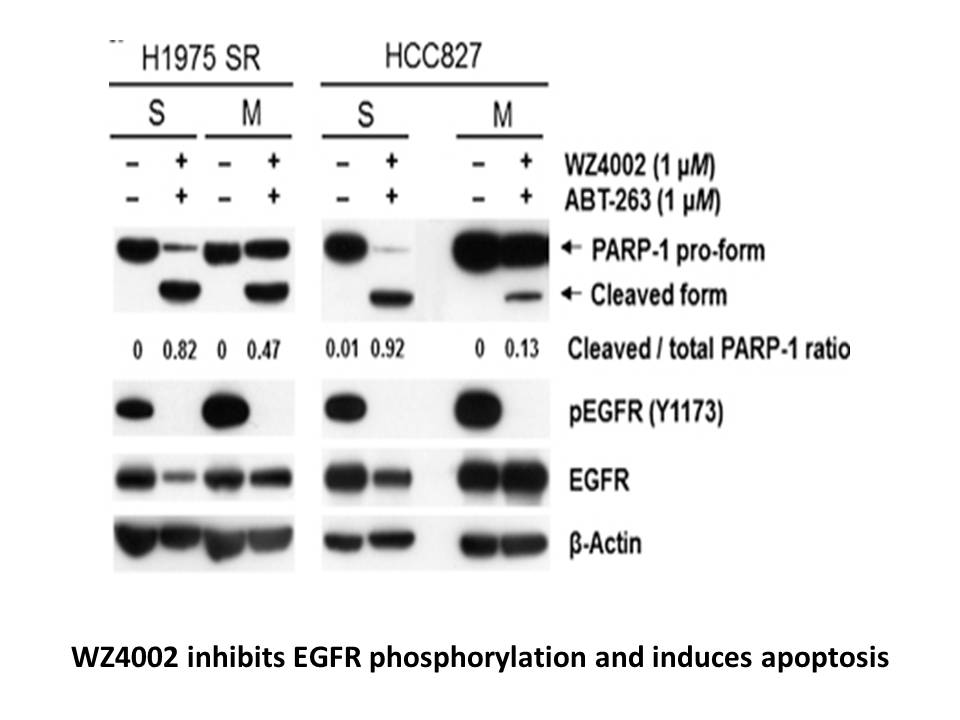
The crystal structures of plant class ADH3/GSNOR from Arabidopsis thaliana (AtGSNOR) and Solanum lycopersicum cv. Amateur (SlGSNOR) with bound substrates and cofactors revealed important differences between plant and human enzyme, namely within the substrate-binding pocket. GSNOR are unusually homod
-
The endocannabinoid system ECS consists of cannabinoid CB an
2022-05-04
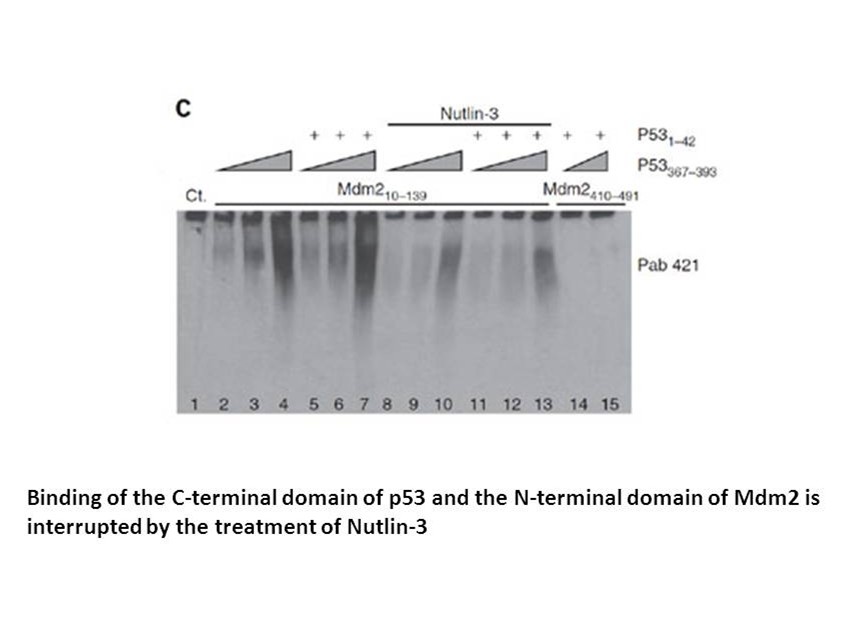
The endocannabinoid system (ECS) consists of cannabinoid (CB)1 and CB2 receptors, their endogenous ligands anandamide and 2-arachidonylglycerol, and the synthesizing and degrading enzymes for these ligands. Cannabinoids and the ECS are involved in the regulation of GI motility in physiological and p
8635 records 506/576 page Previous Next First page 上5页 506507508509510 下5页 Last page