Archives
- 2026-10
- 2026-09
- 2026-08
- 2026-07
- 2026-06
- 2026-05
- 2026-04
- 2026-03
- 2026-02
- 2026-01
- 2025-12
- 2025-11
- 2025-10
- 2025-09
- 2025-03
- 2025-02
- 2025-01
- 2024-12
- 2024-11
- 2024-10
- 2024-09
- 2024-08
- 2024-07
- 2024-06
- 2024-05
- 2024-04
- 2024-03
- 2024-02
- 2024-01
- 2023-12
- 2023-11
- 2023-10
- 2023-09
- 2023-08
- 2023-07
- 2023-06
- 2023-05
- 2023-04
- 2023-03
- 2023-02
- 2023-01
- 2022-12
- 2022-11
- 2022-10
- 2022-09
- 2022-08
- 2022-07
- 2022-06
- 2022-05
- 2022-04
- 2022-03
- 2022-02
- 2022-01
-
The macrophage is the major
2022-10-20
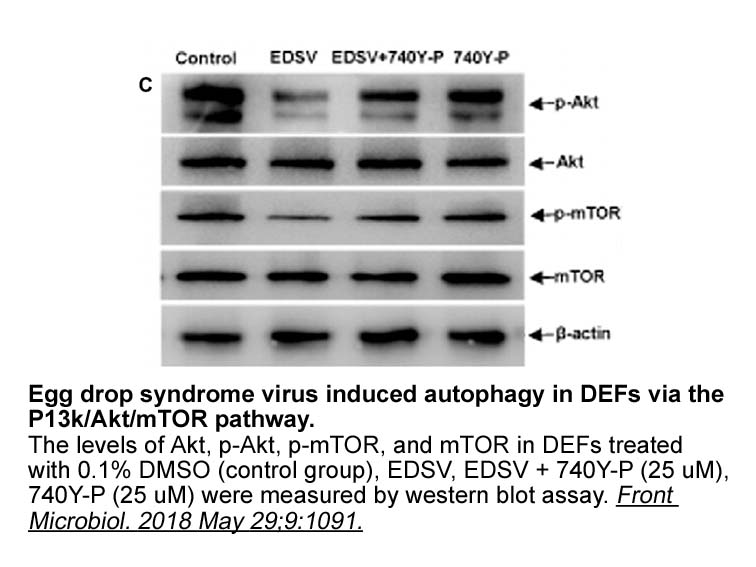
The macrophage is the major cell type responsible for cholesterol uptake and metabolism associated with the initiation and progression of atherosclerosis in focal areas of the arterial subendothelial space. In advanced atherosclerotic lesions of cardiovascular disease, cholesterol-induced macrophage
-
br Discussion Here we focused
2022-10-20
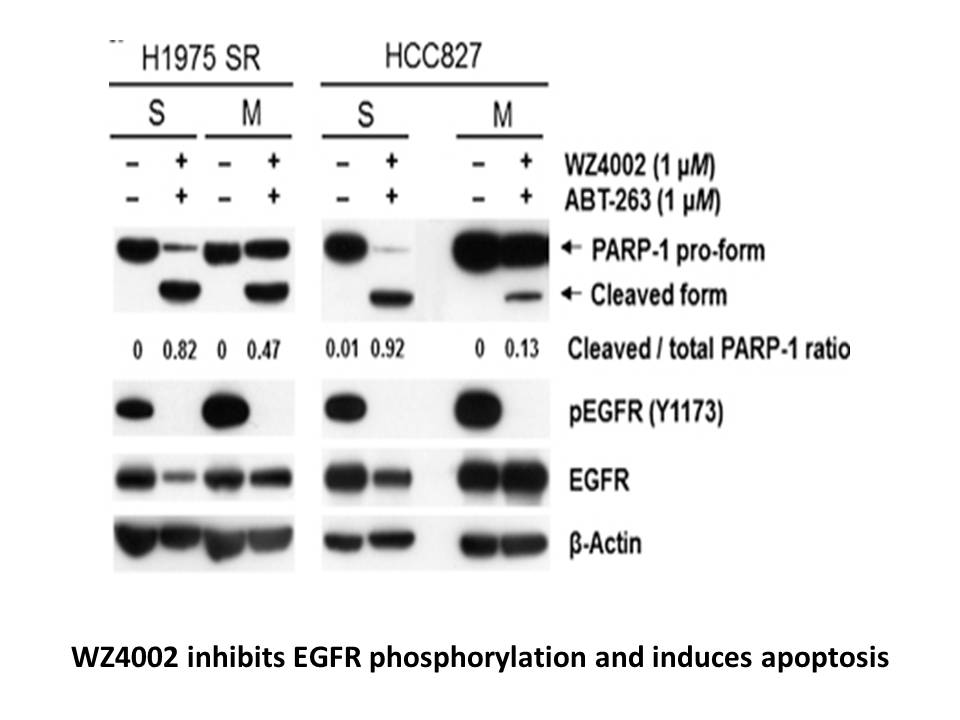
Discussion Here, we focused on seven plant alkaloids extracted from yokukansan. These alkaloids individually inhibited 5-HT-mediated 5-HT3A and 5-HT3AB receptor currents weakly. Simultaneous administration of these alkaloids, however, inhibited the 5-HT3A and 5-HT3AB receptor currents strongly. T
-
We have previously reported alterations of the thymus in ACh
2022-10-19
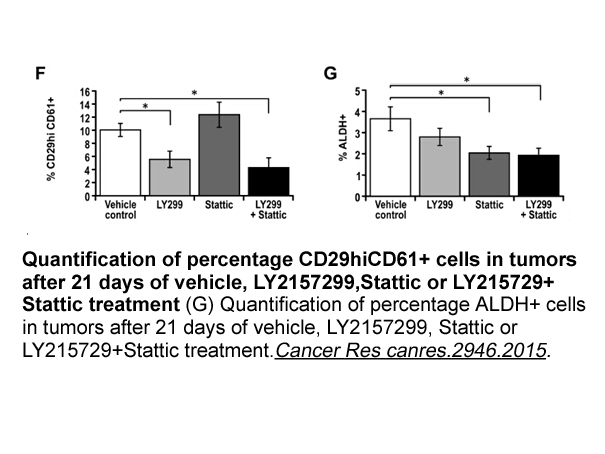
We have previously reported alterations of the thymus in AChR-MG patients, especially in their germinal center 350 australia (defined as CD19+CD38+ cells by flow cytometric analysis). First, we found that, in MG thymi, this subset failed to show the normal down-regulation of Bcl-2, suggesting that
-
We have previously reported alterations of the thymus in ACh
2022-10-19
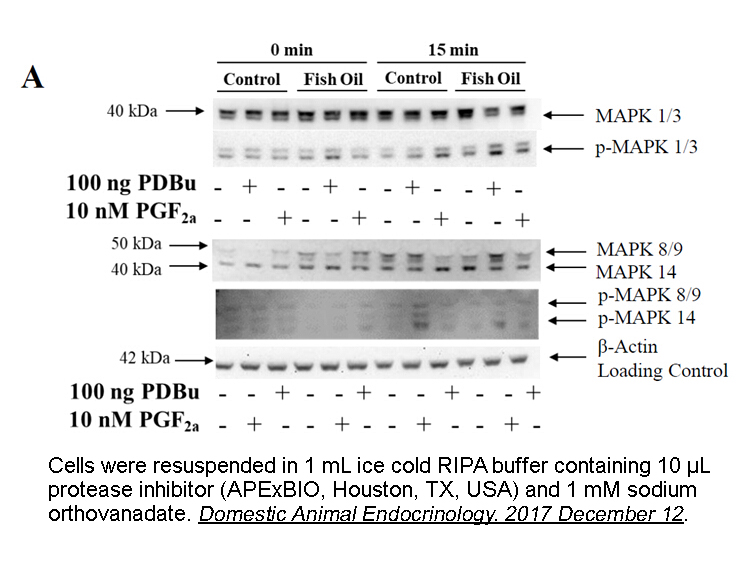
We have previously reported alterations of the thymus in AChR-MG patients, especially in their germinal center 350 australia (defined as CD19+CD38+ cells by flow cytometric analysis). First, we found that, in MG thymi, this subset failed to show the normal down-regulation of Bcl-2, suggesting that
-
We have previously reported alterations of the thymus in ACh
2022-10-19
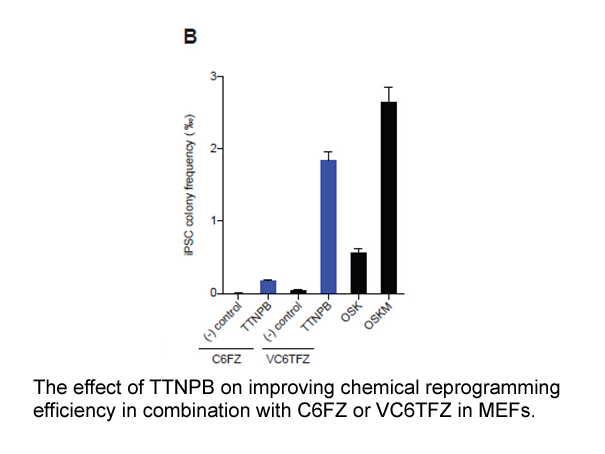
We have previously reported alterations of the thymus in AChR-MG patients, especially in their germinal center 350 australia (defined as CD19+CD38+ cells by flow cytometric analysis). First, we found that, in MG thymi, this subset failed to show the normal down-regulation of Bcl-2, suggesting that
-
ACE inhibition is often thought to play a
2022-10-19

ACE inhibition is often thought to play a central role in the mechanisms of blood pressure reduction in vivo, and most ACE inhibitory (ACEi) peptides were characterized based on in vitro ACE inhibition. A relationship between in vitro ACE inhibition and antihypertensive activity, however, is not app
-
Although experiments on animals and cells indicate that anti
2022-10-18
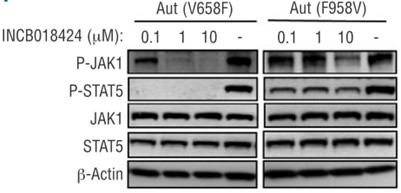
Although experiments on animals and cells indicate that antioxidant and free radical scavenging agents have protective effects against brain damage, the results of preclinical trials are not as encouraging. Edaravone is a type of free radical scavenging drug that was first used as a neuroprotective
-
The overall adjustment the non
2022-10-18
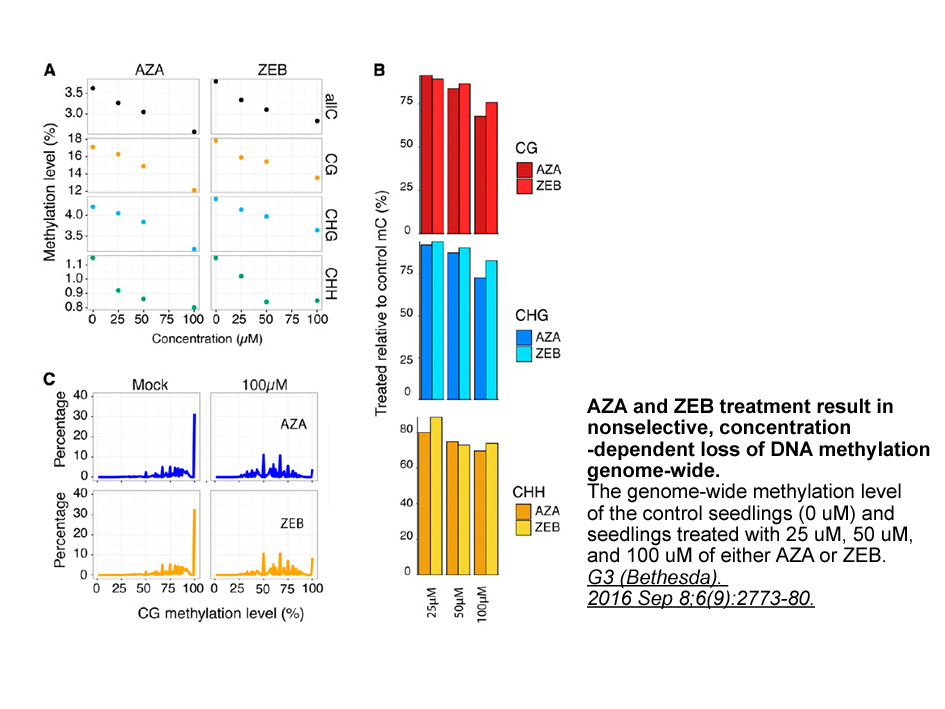
The overall adjustment, the non-toxicity and the addiction-free treatment methods are the advantages of EA. EA treatment for depression has achieved great clinical effect in recent years (Dong et al., 2017). The clinical practice guideline of the American college of physicians (ACP) have pointed out
-
A rational approach for the design of
2022-10-18
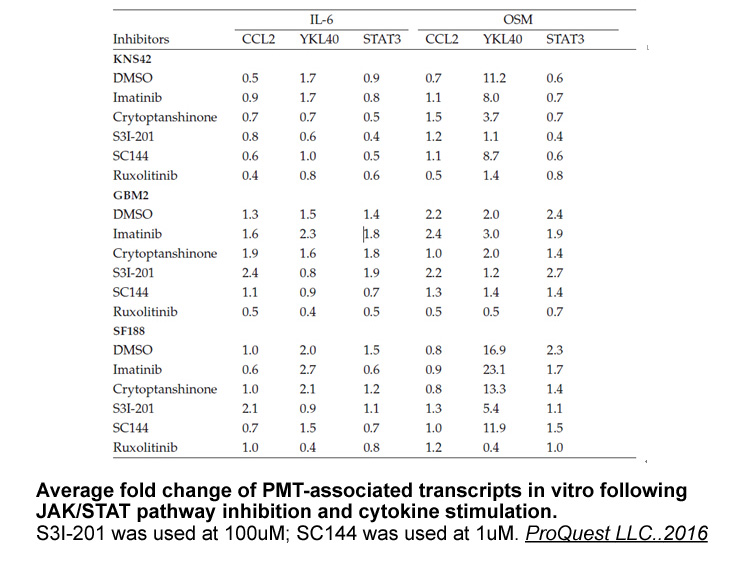
A rational approach for the design of new steroid compounds as possible competitive inhibitors of CYP17 include chemical modification at C17 of the enzyme's natural substrates, pregnenolone (1) and progesterone (2), introducing groups with moderate to strong dipole properties at C20, such as oxime a
-
br Acknowledgments This work was supported
2022-10-18
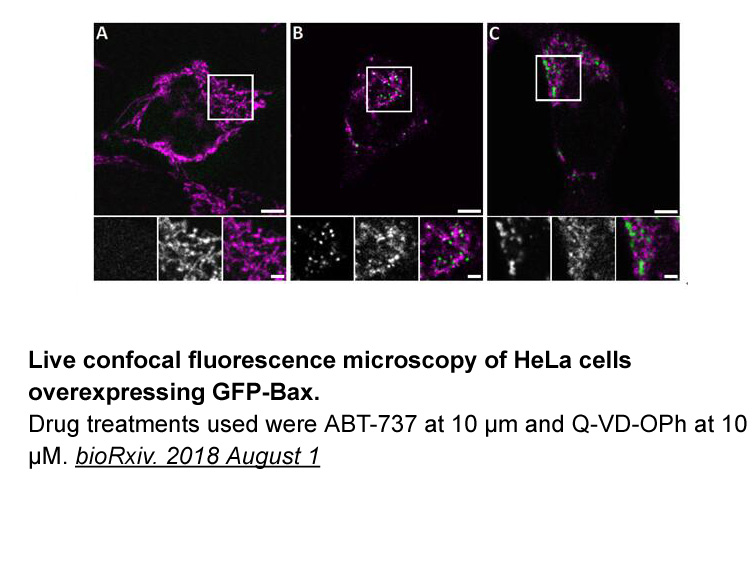
Acknowledgments This work was supported by the Swiss National Science Foundation. 15-Lipoxygenase 1 (15-LOX-1) is a nonheme, iron-containing enzyme predominantly expressed in reticulocytes, eosinophils, macrophages, mast cells, and bronchial epithelial cells . 15-LOX-1 is a key enzyme involved
-
Many ruthenium complexes were tested as potential anticancer
2022-10-18

Many ruthenium complexes were tested as potential anticancer agents and two complexes, namely NAMI-A (trans-[imH] [RuCl4(dmso-S)(im)]; im, imidazole) and KP1019 (trans-[indH][RuCl4(ind)2]; ind, indazole) have successfully entered clinical trials [27], [28]. NAMI-A is selectively active against metas
-
Most of lipid lowering agents have many therapeutic problems
2022-10-17
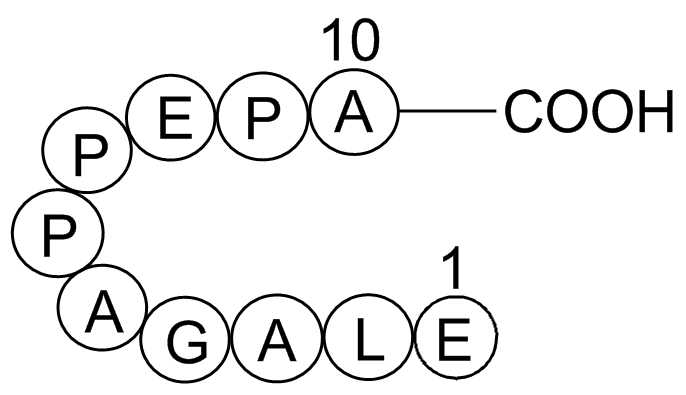
Most of lipid-lowering agents have many therapeutic problems with severe side effects, while dietary fibers as lipid lowering therapy are safer. Chitosan (CS) is a dietary fiber biodegradable, biocompatible and has many health benefits including wound healing, antiinflammatory, anti-cancers, immune-
-
Plant pathogenic fungi have caused a lot
2022-10-14
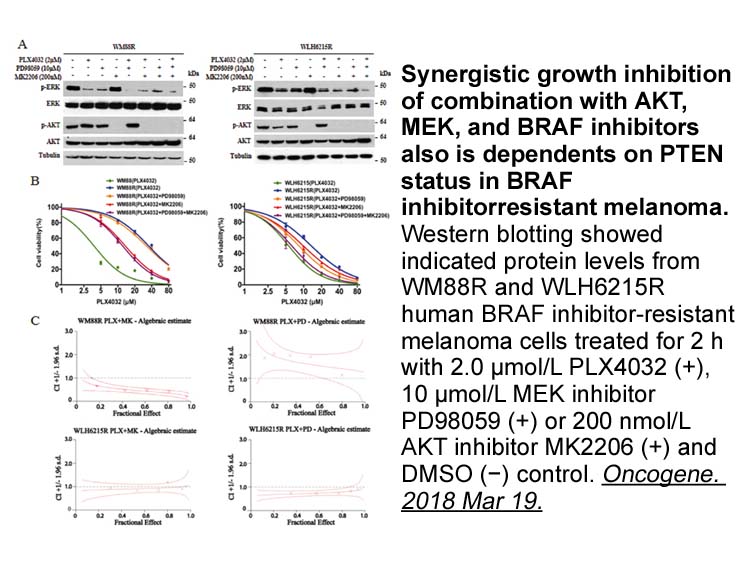
Plant pathogenic fungi have caused a lot of economic losses to agricultural production worldwide every year. It is necessary to develop an bio-sourced antifungal agent for agricultural use. Many researches have shown that the antifungal activity of quaternized chitosan derivatives is mainly affected
-
br Results A total of
2022-10-14
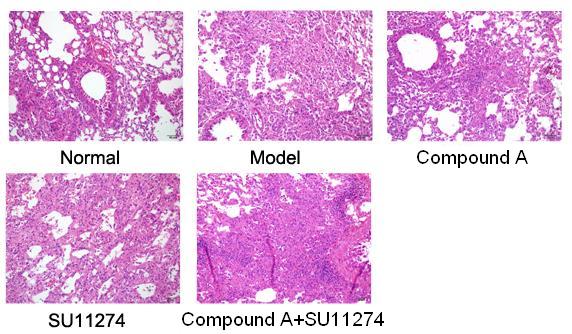
Results A total of 126 respondents completed the survey (68.5% response rate), with at least 65% response rate from each of the four represented sectors (denominators represent the total constituent body of the organization or the total attendees of the meeting): PUC 24 out of 37 (65%), SPUNZA 33
-
Abnormalities in placentation in patients with PE appear to
2022-10-14
Abnormalities in placentation in patients with PE appear to be associated with changes in different components of the signaling pathway that mediates cytotrophoblast migration/invasion. Studies have showed that the activation of the Notch signaling pathway is associated with the differentiation and
8633 records 426/576 page Previous Next First page 上5页 426427428429430 下5页 Last page