Archives
- 2026-10
- 2026-09
- 2026-08
- 2026-07
- 2026-06
- 2026-05
- 2026-04
- 2026-03
- 2026-02
- 2026-01
- 2025-12
- 2025-11
- 2025-10
- 2025-09
- 2025-03
- 2025-02
- 2025-01
- 2024-12
- 2024-11
- 2024-10
- 2024-09
- 2024-08
- 2024-07
- 2024-06
- 2024-05
- 2024-04
- 2024-03
- 2024-02
- 2024-01
- 2023-12
- 2023-11
- 2023-10
- 2023-09
- 2023-08
- 2023-07
- 2023-06
- 2023-05
- 2023-04
- 2023-03
- 2023-02
- 2023-01
- 2022-12
- 2022-11
- 2022-10
- 2022-09
- 2022-08
- 2022-07
- 2022-06
- 2022-05
- 2022-04
- 2022-03
- 2022-02
- 2022-01
-
Following activation of mGluRs GRIP stabilized
2024-04-24
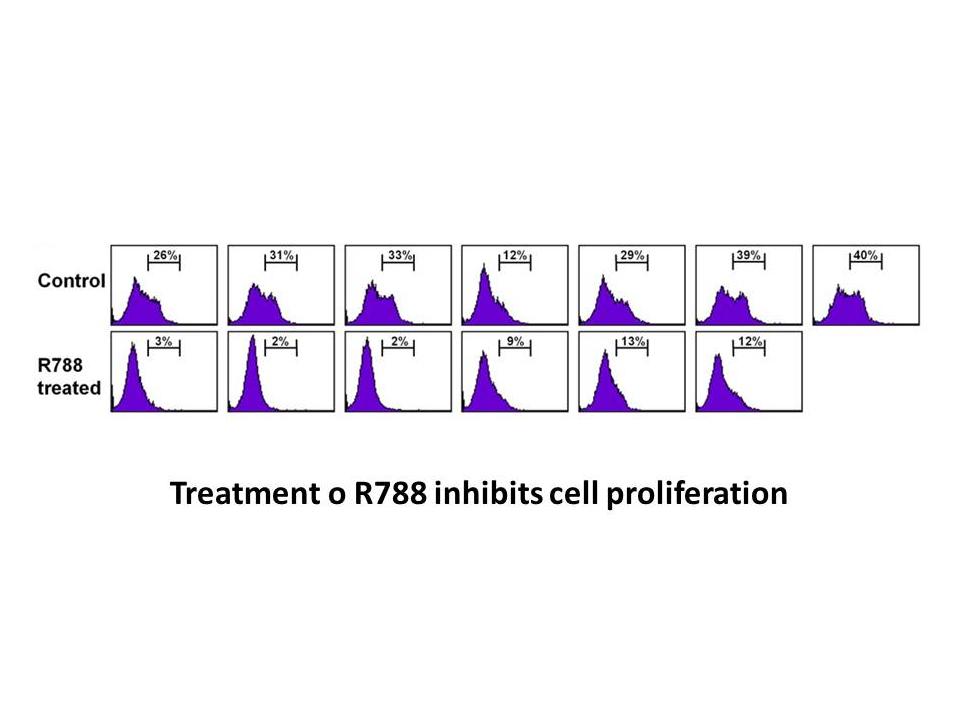
Following activation of mGluRs, GRIP-stabilized AMPARs appear to be the primary target for endocytosis. Consistent with this model, we find that using siRNA to reduce GRIP1/2 expression blocks the AMPAR internalization and the synaptic depression mediated by mGluRs. Reductions in GRIP1/2 expression,
-
Recent genome wide association studies have indicated SORL a
2024-04-24
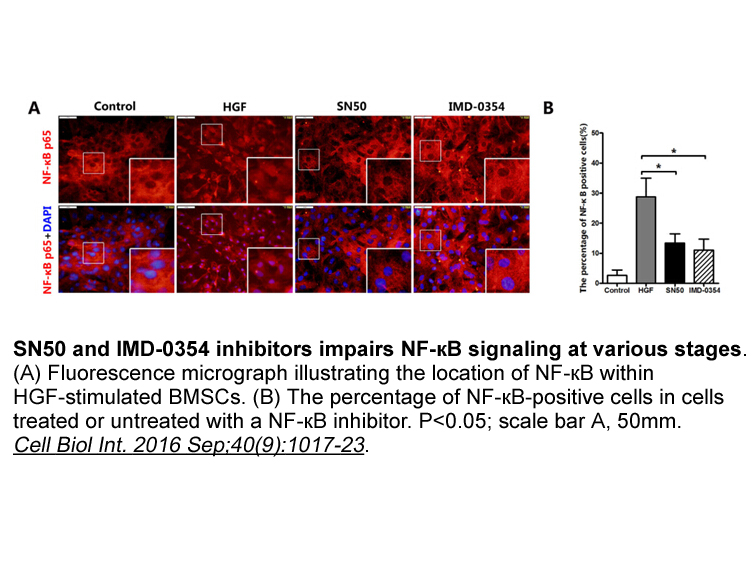
Recent genome-wide association studies have indicated SORL1 as a risk factor for AD (Meng et al., 2007, Rogaeva et al., 2007, Wen et al., 2013). SORL1, is expressed in neurons (Yin et al., 2015) and also regulates APP traffic from the cell membrane to the Golgi apparatus. A reduction in its expressi
-
Most of the modifications in the
2024-04-24
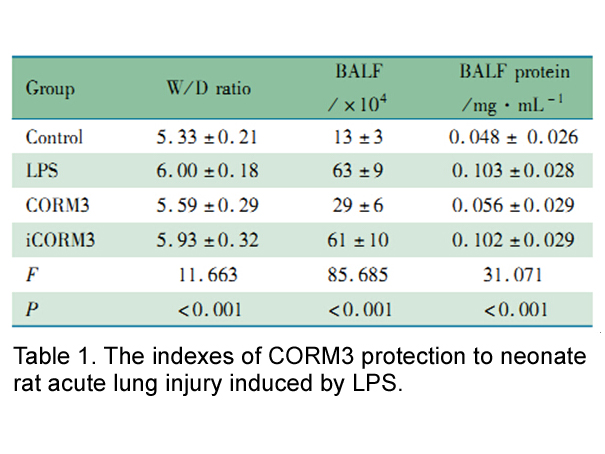
Most of the modifications in the sympathetic nervous system occurring with aging, including decreased βAR responsiveness, increased circulating catecholamines, and overall hyposensitivity to adrenergic stress, are also observed in patients with failing hearts. Moreover, young people are more reactiv
-
Another interesting interaction concerns NMDA preconditionin
2024-04-24
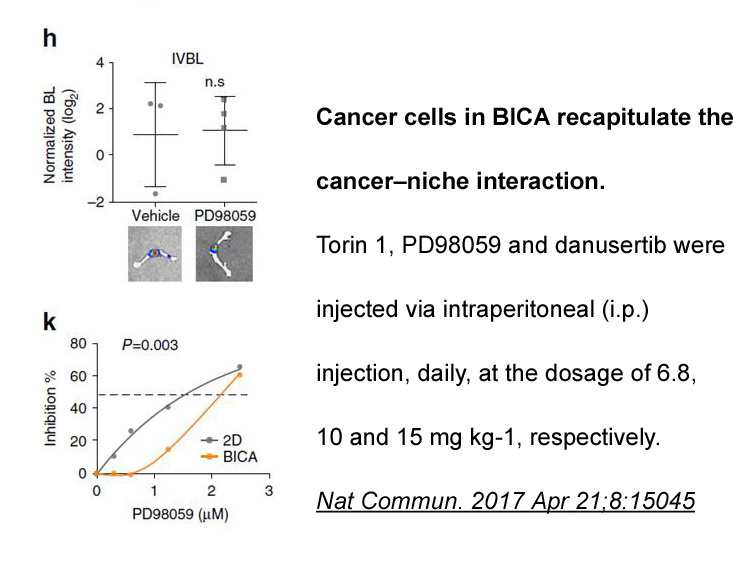
Another interesting interaction concerns NMDA preconditioning to protect against glutamate neurotoxicity. It has been shown that an A1R antagonist prevented neuroprotection evoked by NMDA preconditioning against glutamate-induced cellular damage in cerebellar granule cells. In this study, the functi
-
Although the effects of adenosine receptor signaling in acut
2024-04-24
Although the effects of adenosine receptor signaling in acute renal IRI have been attributed to the generation of high concentrations of adenosine, we have recently reported an increase in kidney levels of both AMP and adenosine, with a concomitant fall in ATP and ADP. We have also previously demons
-
br Conclusion The HT receptor family is complex
2024-04-24

Conclusion The 5-HT receptor family is complex, and one may ask as does Bryan Roth et al. [205] whether this is useless Pridinol Methanesulfonate mg (i.e. too much redundancy) or an embarrassment of the riches (i.e. many potential targets to choose from to affect normal or pathological function)
-
br Acknowledgments br Introduction Hypospadias is a
2024-04-24
Acknowledgments Introduction Hypospadias is a common congenital malformation in males, in which the urethral orifice is found on the ventral side of the penis as a result of incomplete fusion of urethral folds. The mean prevalence in per 10,000 live births from 1910 to 2013 were: Europe 19.9,
-
In glucose stimulated pancreatic cells B Raf
2024-04-23

In glucose-stimulated pancreatic β-cells, B-Raf activity is increased, while Raf-1 activity is under the detection limit (Duan and Cobb, 2010). Thus, B-Raf is the primary protein kinase involved in the rapid activation of ERK1/2 in glucose-treated pancreatic β-cells. Expression of a dominant-negativ
-
Recent studies revealed that certain plant derived compounds
2024-04-23
Recent studies revealed that certain plant-derived compounds can also interfere with AR function. One way of such an interference is by modulating its expression levels. This is the case for the two flavonoids quercetin and luteolin that have been reported to repress the function of AR by inhibiting
-
br Acknowledgments br Introduction Alzheimer s disease AD is
2024-04-23
Acknowledgments Introduction Alzheimer's disease (AD) is a severe neurodegenerative disorder primarily affecting the elderly population. Senile plaques in the brain, one of the pathological hallmarks of AD, are formed by the accumulation of aggregated β-amyloid (Aβ) with an extensive β-sheet s
-
AMPK is a central regulator of
2024-04-23
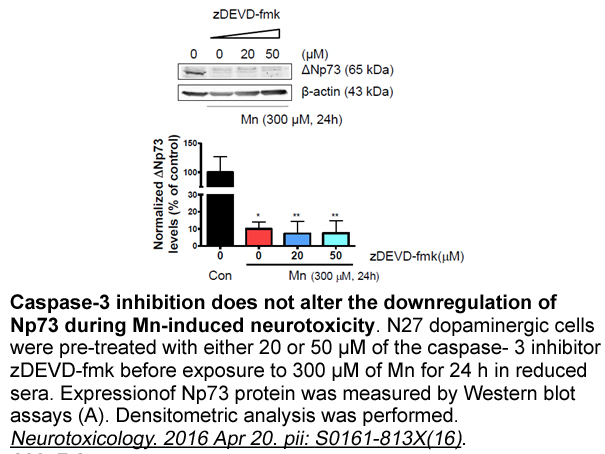
AMPK is a central regulator of cell growth, migration, metabolism, autophagy, and cell polarity [20], [21], [22], [23]. It is highly conserved in eukaryotes and functions as the primary sensor of intracellular adenosine nucleotides [24]. When intracellular ATP levels decrease, AMPK is activated to g
-
In view of the ubiquitous distribution of the arachidonate
2024-04-23
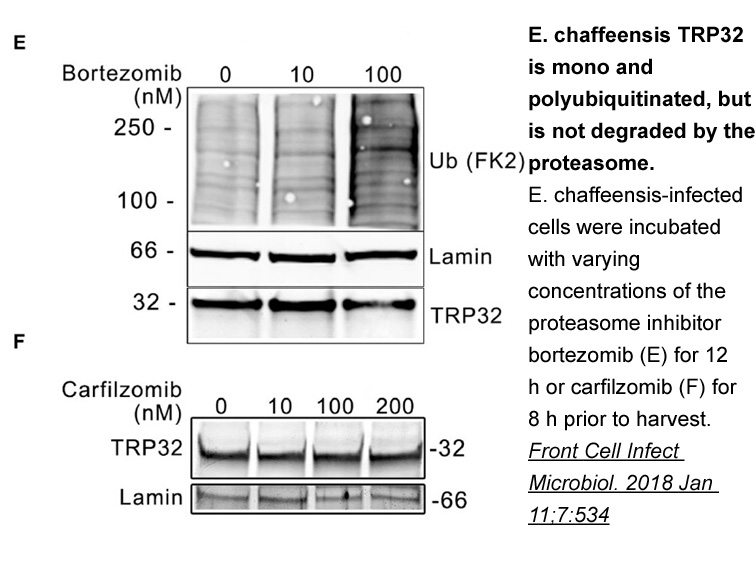
In view of the ubiquitous distribution of the arachidonate 12S-lipoxygenase isoforms and the variety of cellular reactions influenced by the resulting arachidonate metabolites, these products widely play important roles in many biological systems. The development of new type-specific inhibitors of t
-
MT SGL encourages a individual feature selection based
2024-04-23

MT-SGL encourages (a) individual feature selection based on the utility of the features across all tasks with ℓ2,1-norm and (b) task specific group selection based on the utility of the group with G2,1-norm, i.e., (-)-epicatechin regions of interest (ROI) for that task. Unlike basic SGL for regress
-
BITC significantly enhanced the gene expression of the Nrf
2024-04-23
BITC significantly enhanced the gene expression of the Nrf2-dependent genes, such as NQO1 and HO-1 (Fig. 4), as well as the ALDH genes (Fig. 2). Nrf2 is a key transcriptional factor which activates the expression of the genes that contain ARE in their promoter. Nrf2 translocates to the nucleus where
-
As regards feeding the ability
2024-04-23
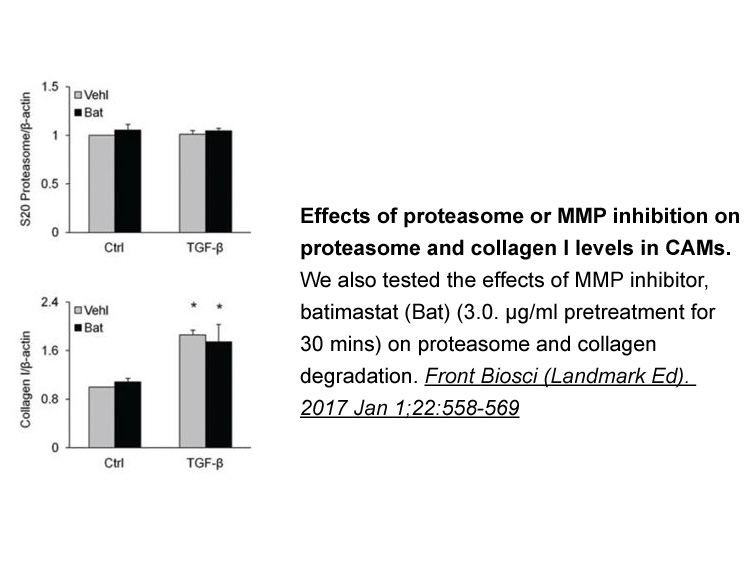
As regards feeding, the ability to dissipate surplus energy in the form of heat is beneficial for animals if the protein concentration in the food is low, since it allows them then to meet the adequate protein intake requirement without getting fat. Some of the major dietary activators of the AHR ar
8630 records 195/576 page Previous Next First page 上5页 191192193194195 下5页 Last page